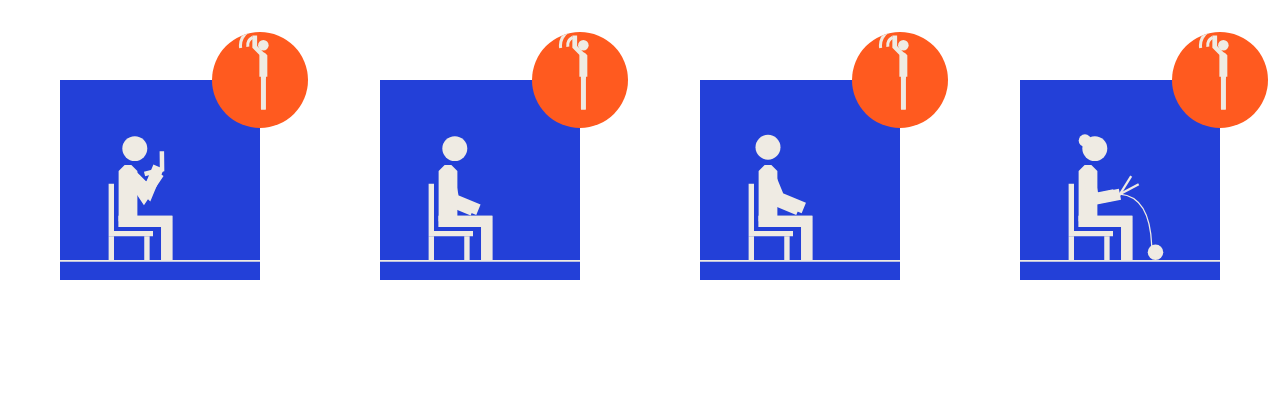
Seven short films. Each one answers one part of the question.
Film 1 arrives shortly. The page checks for it each time it loads.
The podcast
A host and an analyst talk the report through. 10:07.
Press play to begin
0:0010:07
Ten minutes with nothing
The central finding
Choosing to go out alone
Switching off, together
Company from machines
Somewhere to be
A room for help
Backup before a crisis
What to do about it
Four questions
The four questions you asked, one at a time.
Question 1 of 4
Is being alone becoming a problem, or a choice?
Both, and they are coming apart. Being alone is a situation, loneliness is a feeling, solitude is a choice. The same person can move between them in one day.
Of 18,000 adults in a worldwide survey, more than half picked solitude as a key activity for rest.
Question 2 of 4
What new approaches are emerging?
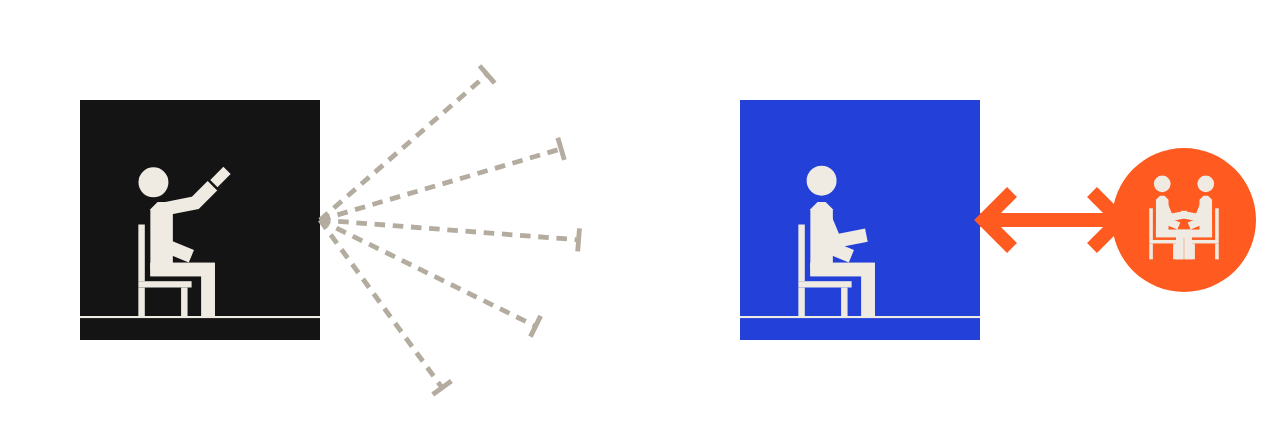
They share one design move: independence by default, with company or backup called up when the person chooses. Check-in apps, solo-traveller matching, homeshares and social prescribing all work this way.
Reliable two-way ties rather than more contacts, and light reassurance rather than being watched. The tension: independence rests on backup that people feel conflicted about needing.
Pubs, gigs, meals and holidays are now done alone, and arriving alone is often a way into company. The reverse too: switching off has become something people do together.
Redesign how one venue welcomes people who arrive alone
It tests the whole idea in one journey you can watch. If people who come alone feel in control, they come back.
1Pick one partner venue: a restaurant, pub, theatre or event.
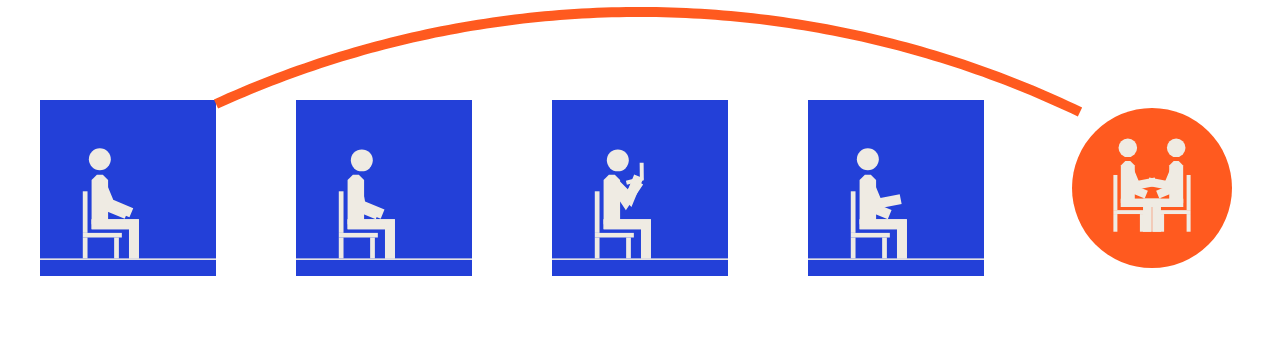
2Make booking and arriving alone easy and ordinary.
3Offer company as an invitation, with an equally comfortable way to decline.
4Compare with what happens today.
Measure two things
Do solo guests come back?
Do they feel in control?
Go
Return visits rise and people still feel in control. Extend it to more venues.
Change or stop
It feels pushy or awkward, or people return less. Change it or stop.
Strongest objection. Hostelworld and Joining Tables show company can be offered. They do not show your visitors want it. That is what the test is for.
Agree the thresholds and the review date before the test starts. Uptake of the invitation is useful to understand, but it is not the goal.
Where can you act?
Choose where your team works. The films and the move that fit will light up.
If your remit is homes and support
Backup the resident controls
Help that starts with a prompt the person sets, and reaches a named person only when they allow it.
With assistive technology and telecare127 weeks
Without128 weeks
Median weeks living outside a care home, UK dementia trial. Bars start at zero.
Strongest objection. In a dementia trial, a fuller technology package did not keep people at home longer: 127 weeks against 128. Devices alone are not the answer; the response is.
An AI companion with clear limits and a route to a named human service.
Strongest objection. The hand-over only works if a person is there to accept it. Age UK South Gloucestershire uses AI while people wait for a human befriender.

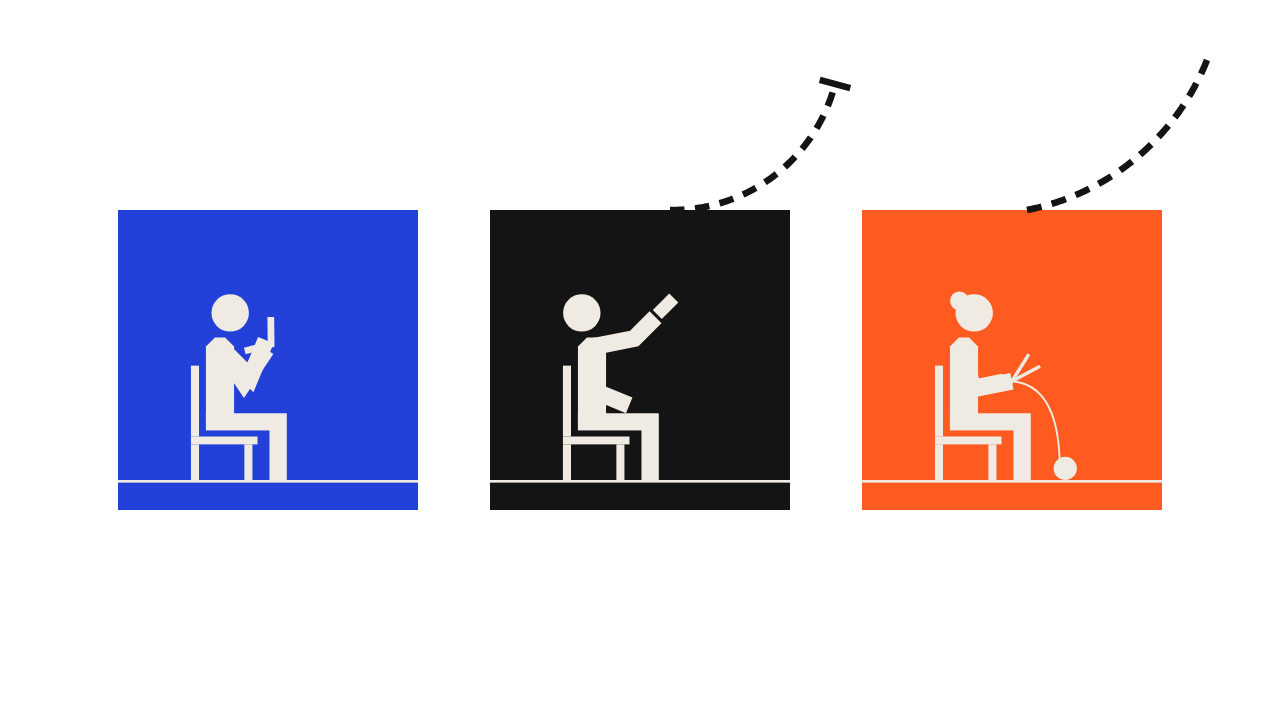
 Alonea situation
 Lonelinessa feeling
 Solitudea choice